Why Outdoor Tiling in Melbourne Is Different From Indoor Work
Outdoor tiles in Melbourne face conditions that indoor tiles never have to deal with. Hot summers, wet winters and sharp temperature changes place extra stress on tiles, adhesives, grout and the surface beneath them.
Getting the tile selection and preparation right from the start is what separates an outdoor area that lasts for years from one that begins lifting, cracking or becoming slippery.
Slip Resistance: P Ratings and Where They Apply
Slip resistance is one of the most important considerations for outdoor tiling. In Australia, tiles are classified under AS 4586 using a P rating system, so the tile needs to suit the area where it will be installed.
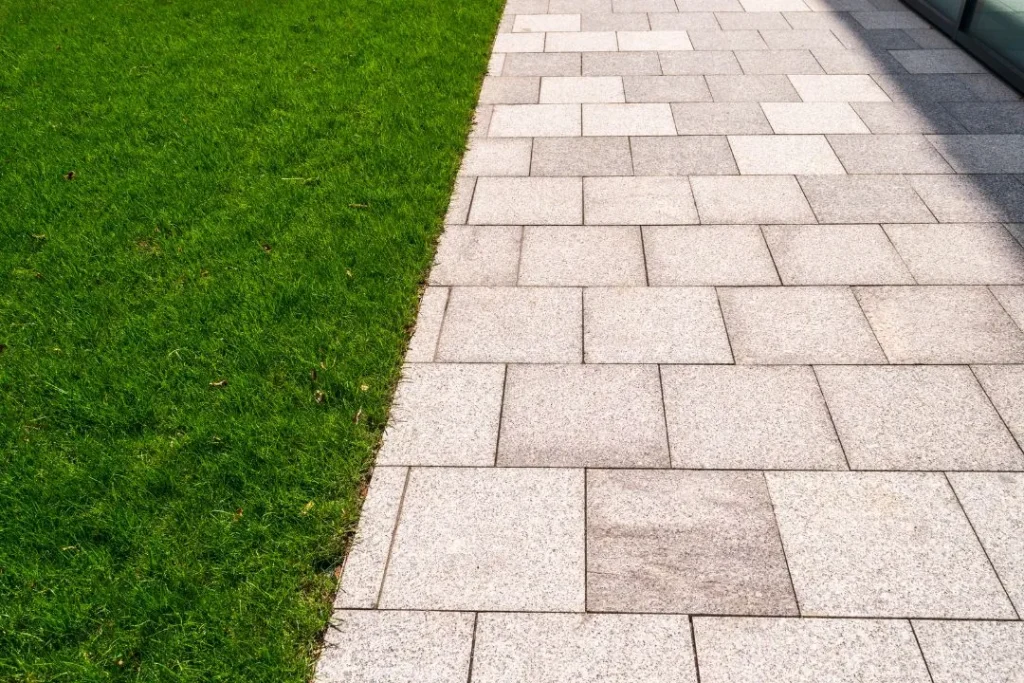
For exposed patios, paths and other outdoor areas, P4 or P5 tiles are commonly used, while covered areas may sometimes be suitable for a lower rating depending on their exposure to water.
The important thing is how the tile performs when wet. A tile that feels secure underfoot when dry can become surprisingly slippery after rain.
Check the Tile Specification
Always check the manufacturer’s specification sheet before buying outdoor tiles. The slip-resistance rating should be clearly listed.
Tiles marketed simply as “outdoor tiles” are not automatically suitable for every application, particularly around pools, steps or other regularly wet surfaces.
Choosing Tiles for External Use
Not every showroom tile is suitable outdoors. External-rated tiles need to cope with moisture, sunlight and temperature changes without deteriorating prematurely.
Porcelain is a popular option because it absorbs very little water and is available in a wide range of finishes and sizes.
Natural stone such as bluestone and travertine can also work well, although it usually requires sealing and more ongoing maintenance.
Outdoor pavers are often thicker than standard internal tiles, particularly in exposed or high-traffic areas. Around 20mm is common for many ground-level applications.
Drainage Falls: Getting Water Off the Surface
An outdoor tiled area should never be completely flat. Water needs somewhere to go.
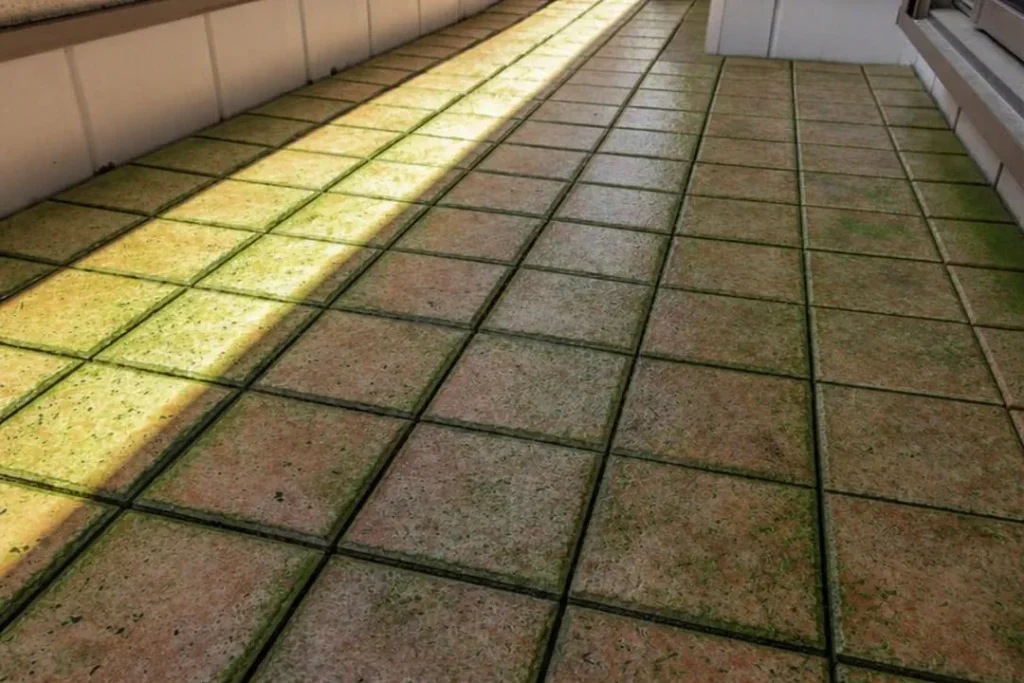
Poor drainage can contribute to slippery surfaces, staining, algae growth and premature deterioration of grout and other materials.
Falls are normally built into the substrate before tiling begins, directing water toward a drain, channel or the edge of the paved area rather than back toward the house.
Trying to correct poor drainage after the tiles have already been laid can mean removing and rebuilding large sections of the area.
Substrate Movement and Lifting Tiles
Concrete slabs naturally expand, contract and move over time. When tiles are bonded to a substrate without enough allowance for that movement, the stress can transfer through the adhesive and tile bed.
This can result in cracked, loose or hollow-sounding tiles.
If you already have lifting or drummy outdoor tiles, simply replacing the affected tiles may not solve the underlying problem. The substrate should also be checked to determine why the failure occurred.
Movement Joints
Movement joints allow sections of the tiled surface to move independently rather than transferring stress through the entire installation.
They are generally required around changes of plane, existing slab joints and at appropriate intervals across larger outdoor tiled areas.
These joints use flexible sealant rather than standard grout and should be incorporated into the layout before tiling starts.
Waterproofing Balconies and Elevated Areas
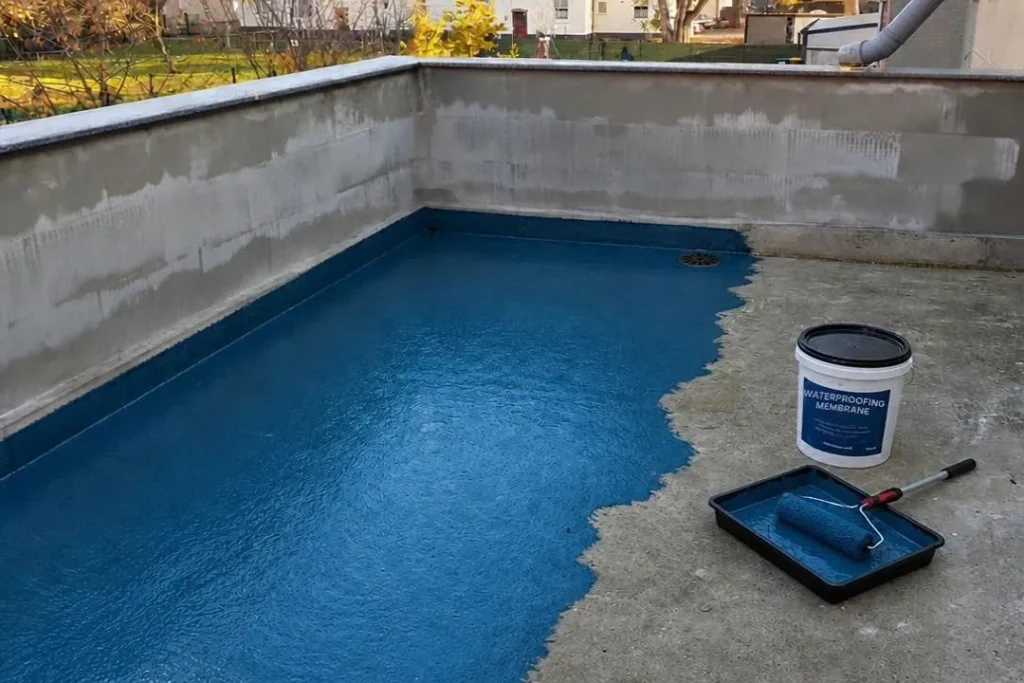
Balconies and raised outdoor areas require more attention to waterproofing because water cannot simply drain into the surrounding ground.
Water that penetrates beneath the tiles can reach the structure below, leading to leaks, damaged finishes and potentially expensive repairs.
The consequences of inadequate external waterproofing can extend well beyond the tiled surface.
For elevated areas, proper balcony waterproofing should be completed before the tiles are installed, with the membrane, drainage and surface falls working together as one system.
Outdoor-Rated Adhesive and Grout
Outdoor tiling requires adhesive and grout designed to cope with moisture and temperature movement.
Flexible, polymer-modified adhesive is commonly used for exterior applications because it can accommodate more movement than standard internal products.
Outdoor grout also needs to withstand regular weather exposure. Depending on the area, this may involve a suitable cement-based grout or a more durable epoxy system.
Using the wrong adhesive or grout can end up costing far more in the long run. Outdoor-rated products may cost slightly more upfront, but that difference is minor compared with having to remove and relay tiles because the materials were not suited to exterior conditions.
Patios, Alfresco Areas and Pool Surrounds
Covered alfresco areas still need to be treated as outdoor spaces. Wind-driven rain, condensation, moisture and temperature changes can all affect the tiled surface even when it sits beneath a roof.
Pool surrounds require even greater attention to drainage and slip resistance because the surface is regularly wet and frequently walked on barefoot.
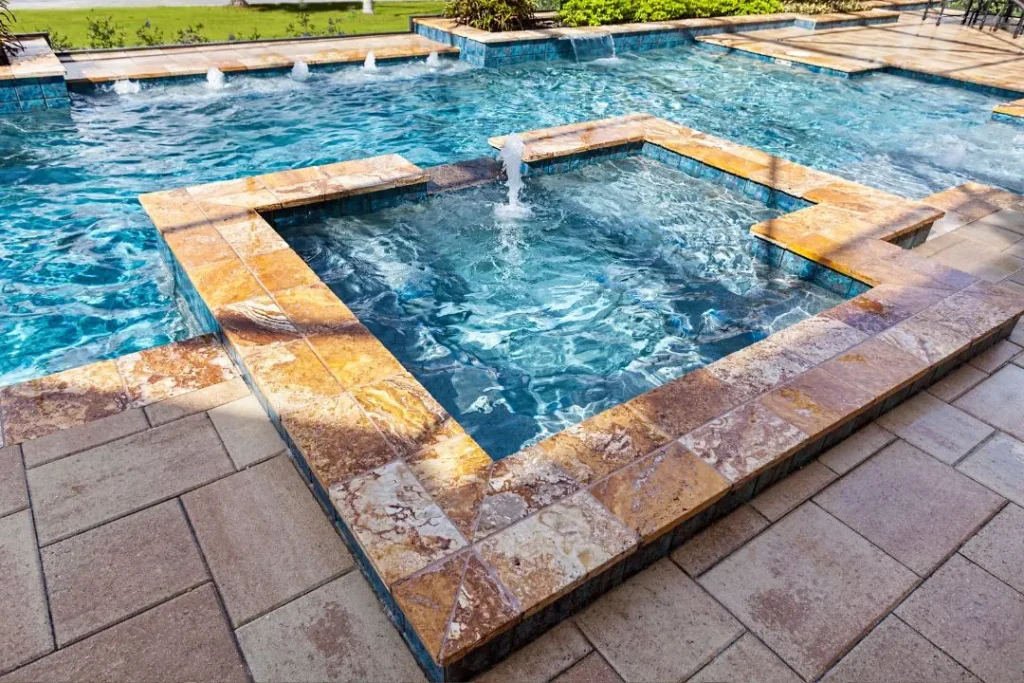
Outdoor tiles around pools should also be selected with exposure to pool water, cleaning products and constant moisture in mind.
Preparing the Substrate
A good tile installation depends on the condition of the surface beneath it.
Before work begins, the substrate should be checked for:
- cracks or existing movement
- correct drainage falls
- uneven sections
- loose or contaminated surfaces
- old coatings, sealers or paint that may interfere with adhesion
Existing cracks should be assessed rather than simply tiled over. Depending on their cause, additional preparation such as crack-isolation systems or repairs may be required.
What to Confirm Before Getting Quotes
Before contacting an outdoor tiler, it helps to have some basic information ready about the project.
Know roughly how large the area is, whether it is covered or exposed, whether it is ground level or elevated, and whether there are existing tiles that need to be removed.
It is also worth asking the tiler about:
- the slip rating of the proposed tiles
- how drainage falls will be handled
- whether waterproofing is required
- what adhesive and grout will be used
- whether movement joints are needed
- how cracks or existing substrate problems will be treated
These details give you a much better indication of how thoroughly the job has been planned than simply comparing the final quote price.
Get Advice on Your Outdoor Tiling Project
Outdoor tiling needs to be planned around water, movement and exposure from the beginning. Choosing the right tile is important, but the preparation underneath it is just as critical to how well the finished surface performs.
We regularly work across homes in Craigieburn, Mickleham and Kalkallo, where covered patios and alfresco areas are a common part of modern home designs.
If you are planning a patio, alfresco area, balcony or pool surround, speak with an experienced tile installer about the best approach for your property.
Call us on (03) 9125 4500 for your free on-site quote.